






Posts by Jessica Torres
5 Key Questions to Verify Your Environmental Monitoring System Is FDA Compliant
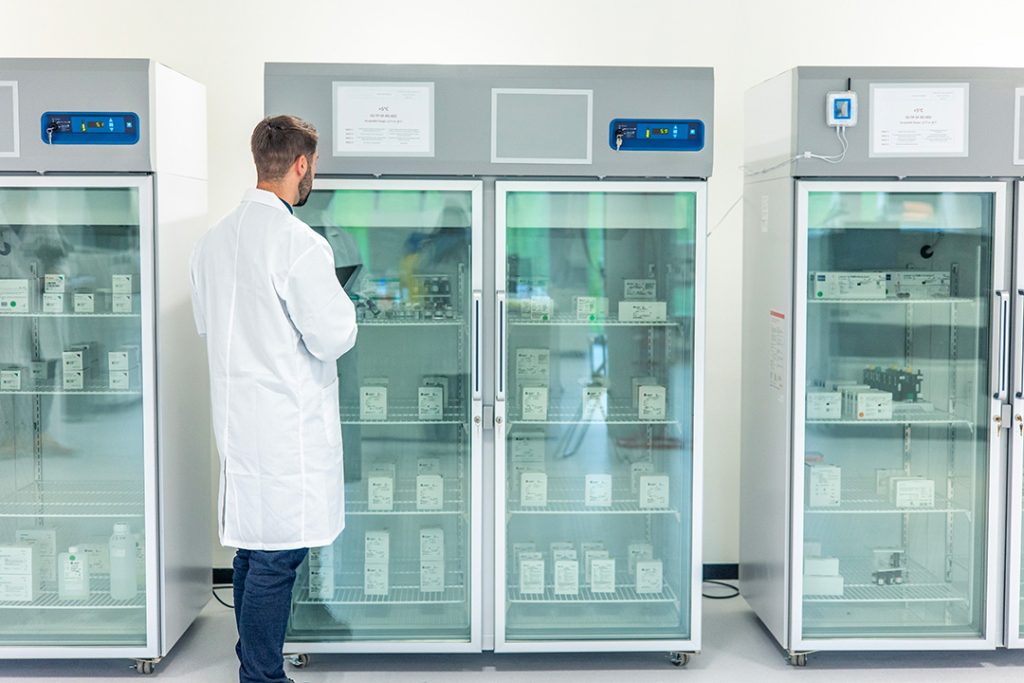
In pharmaceutical manufacturing, your environmental monitoring system is your first line of defense in protecting product quality and patient safety. But simply having one in place isn’t enough. The real question is: Does your system truly meet the FDA’s stringent requirements for environmental monitoring compliance?
To ensure you are audit-ready, you need to verify that your system supports your compliance goals rather than complicating them. This guide walks you through the five critical questions you need to ask to verify your system is FDA-compliant.
Read MoreCloud Storage Transforming Environmental Monitoring Compliance within Pharma

Cloud-based IT platforms have several advantages for highly regulated industries. Here, we’ll discuss the role of cloud computing for environmental monitoring in pharma/biotech manufacturing and healthcare.
Read MoreThe Value of Role-Based Alarm Templates

Best Practices for Closing Coverage Gaps and the Role-Based Alarm Advantage Imagine it’s 2 a.m. on a holiday weekend, and a freezer excursion begins. In this moment, the challenge isn’t just detecting the issue, but ensuring the right person is notified. Is it going to a lab manager who is off site, potentially delaying the…
Read MoreModern Mapping and Validation Webinar Recap

Did you miss our recent “Audit Ready in Any Season: Modern Mapping & Validation” webinar, or want to revisit the highlights? We’ve got you covered. In this session, Dickson experts Mark Friske (Mapping Solutions Manager) and Antoine Nguyen (VP of GxP & Compliance), along with host Evan Smith, guided attendees through the fundamentals of thermal…
Read More6 Must-Have Environmental Monitoring Features for Pharma Manufacturers
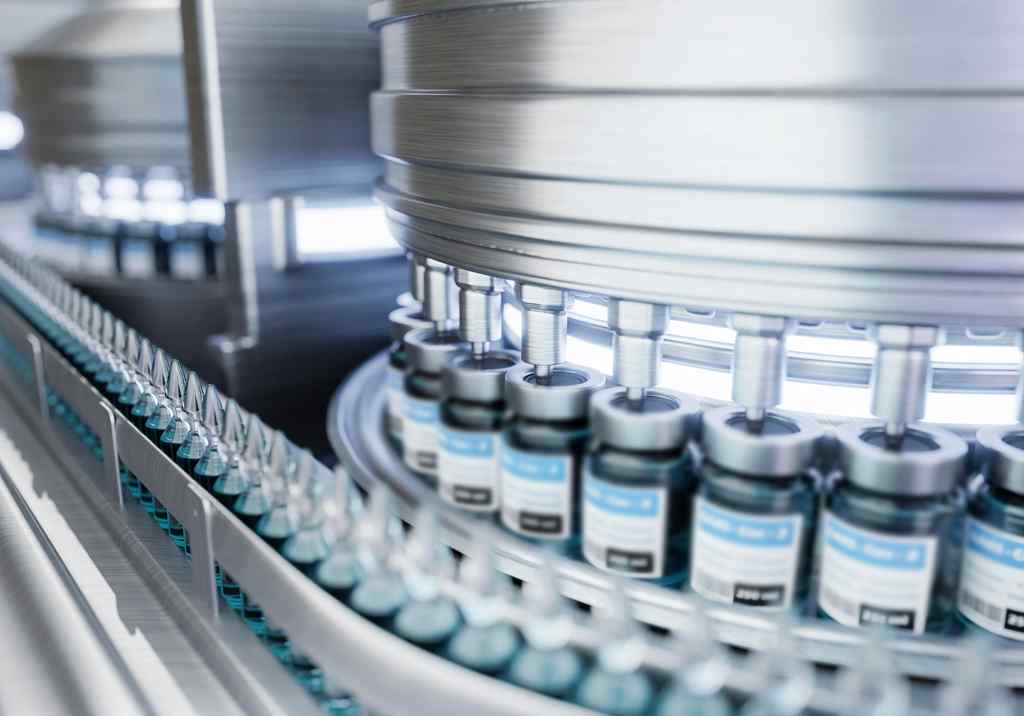
For pharmaceutical manufacturers, you know environmental monitoring systems are a key part of any quality management system, essential for pharmaceutical storage control, and serve as your first line of defense in an audit. While many systems can log data, only a select few are truly built to help you navigate the complex challenges of a…
Read MorePharmaceutical Logistics and WHO Annex 9 Compliance: What You Need to Know

The safe transportation of temperature-sensitive pharmaceuticals is critical in maintaining product integrity and ensuring patient safety. WHO Annex 9 provides essential guidelines for temperature-controlled transport, emphasizing best practices for handling, storing, and distributing pharmaceuticals under GxP Pharma standards. Importance of Temperature-Controlled Transport Pharmaceuticals, especially vaccines, biologics, and certain medications, require strict transit temperature and humidity…
Read MoreExpert Care Environmental Monitoring Services

What Are Expert Care Solutions? A Guide to Dickson’s Support Services From Setup to Long-Term Compliance, Here’s How Expert Services Protect System Performance and Reliability When it comes to protecting sensitive products, ensuring patient safety, and maintaining compliance in regulated industries, a reliable temperature monitoring system is essential. We know your operations never stop, and…
Read More5 Questions for Environmental Monitoring Maintenance
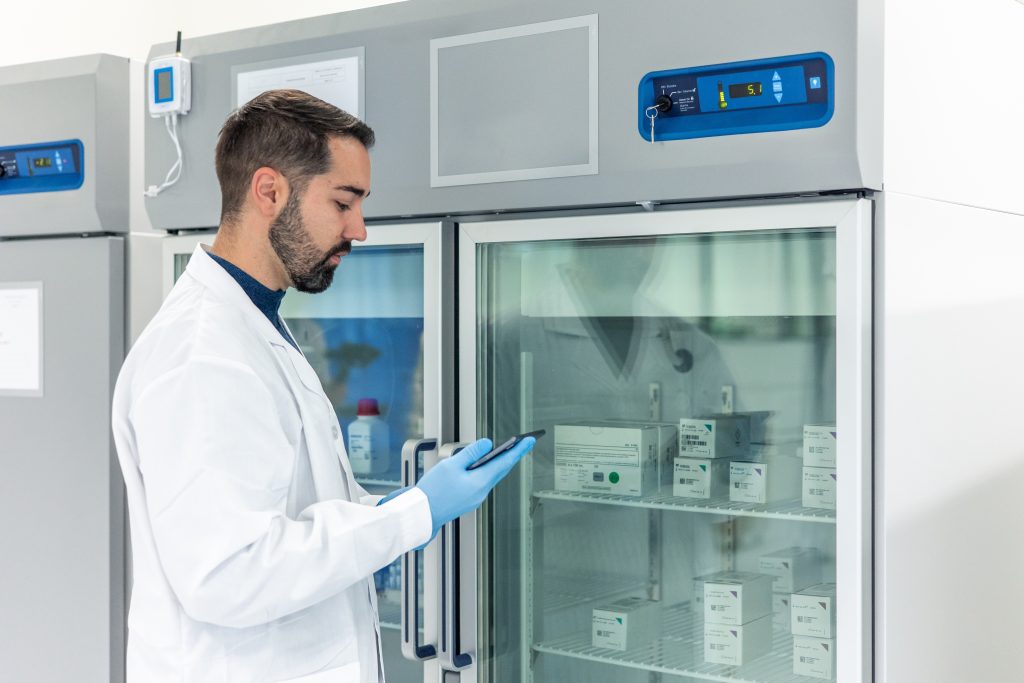
5 Key Questions for Easy Environmental Monitoring System Maintenance Handling preventative maintenance for your cloud-based environmental monitoring system can feel like a daunting task, and with modern platforms like DicksonOne it’s simpler than you think. A proper system setup is the first step, and following a few key best practices ensures your system remains reliable,…
Read MoreDicksonOne Refresher: Back to the Basics Webinar Recap
Did you miss our recent DicksonOne Refresher: Back to the Basics webinar, or want to revisit the highlights? We’ve got you covered. In this session, our expert Ryan Vandenack walked attendees through the essential features of DicksonOne, covering hardware options, software navigation, reporting, alarm templates, calibration tools, and new product updates. We received many questions…
Read MoreCloud-Based Monitoring and CAP & CLIA Accreditation

Earning and maintaining College of American Pathologists (CAP) and Clinical Laboratory Improvement Amendments (CLIA) accreditation requires meticulous monitoring and record-keeping of environmental conditions. The accuracy of diagnostic testing, and therefore patient outcomes, is directly dependent on maintaining stringent control over factors such as temperature, humidity, and air pressure, making their consistent monitoring non-negotiable. Factors such…
Read More