






Earning and maintaining College of American Pathologists (CAP) and Clinical Laboratory Improvement Amendments (CLIA) accreditation requires meticulous monitoring and record-keeping of environmental conditions. The accuracy of diagnostic testing, and therefore patient outcomes, is directly dependent on maintaining stringent control over factors such as temperature, humidity, and air pressure, making their consistent monitoring non-negotiable. Factors such as temperature, humidity, and air pressure can directly impact the integrity of samples and reagents.

The complexity of these requirements, coupled with evolving regulations and staff onboarding, can make staying compliant a significant challenge. The good news is cloud-based environmental monitoring systems offer powerful solutions to simplify your path to accreditation:
1. Emphasis on Record Keeping
Both CAP and CLIA place a strong emphasis on comprehensive and accurate record-keeping. CAP checklists, used for self-assessment and during on-site announced and unannounced inspections, require meticulous documentation of temperature and humidity conditions.
Similarly, CLIA inspections scrutinize environmental logs, whether conducted by state agencies for a Certificate of Compliance (COC) or by a CMS-approved accreditation organization like CAP for a Certificate of Accreditation (COA).
“Automated environmental monitoring systems continuously track critical parameters in real time using temperature, humidity, and pressure sensors. This eliminates the risk of human error and time-consuming manual data logging,” said Mark Solak, Director of Compliance at Dickson.
“The system automatically documents data 24/7, ensuring accuracy and completeness – essential elements for demonstrating compliance during both CAP and CLIA inspections,” Solak said. “This also frees up valuable staff time so technicians can focus on other critical tasks within the laboratory. The result is a more efficient lab, which can be noted as a strength during inspections.”
2. Quality Control and Risk Management
CAP accreditation focuses heavily on a robust Quality Management Program and proactive risk management. Their on-site peer inspectors will assess the laboratory’s processes for identifying and addressing potential issues. CLIA regulations also mandate stringent quality control measures to ensure accurate and reliable test results.
When environmental conditions, such as temperature or humidity, drift outside of specified thresholds, automated systems instantly alert the appropriate team members via text, email, or dashboard notifications.
This proactive approach enables quick corrective action, helping labs stay within compliance before small deviations become major violations. It supports the CAP and CLIA emphasis on quality control, risk management, and continuous improvement.
3. Secure Audit Trails and On-Demand Reports
Preparing for CAP and CLIA inspections can be time-consuming, often involving hours of compiling and verifying documentation. CAP inspectors will meticulously review records going back two years and CLIA inspections require readily available documentation of environmental monitoring.
Automated systems simplify this process by creating detailed, time-stamped audit trails that are always accessible. You can generate inspection-ready reports with just a few clicks, significantly reducing the stress and time associated with audit preparation.
“Quickly accessing comprehensive data directly addresses the documentation requirements of both CAP and CLIA, making it easier to demonstrate adherence to environmental standards during the inspection process and with ongoing self-assessments required by CAP in non-inspection years,” Solak added.
4. Saving Staff Time and Resources
Maintaining ongoing compliance with CAP and CLIA environmental standards can be challenging and labor-intensive. However, with cloud-based temperature monitoring systems with real-time alerts, secure data logging and easy access to historical data, this can be significantly streamlined, leading to substantial optimization of staff time and resources.
By automating continuous, round-the-clock data collection, laboratories eliminate the inherent variability and time-consuming nature of manual monitoring, freeing up personnel to focus on critical analytical tasks and patient care.
The remote accessibility of cloud-based systems facilitates proactive monitoring and faster corrective action resolution, potentially reducing the need for immediate on-site intervention. Furthermore, the automated generation of comprehensive audit trails and inspection-ready reports drastically reduces the hours spent on manual documentation, contributing to a more efficient and cost-effective compliance strategy while reinforcing a culture of quality and patient safety.
“This consistency provides strong evidence of ongoing compliance with the environmental standards required by both CAP and CLIA,” Solak said. “It also reinforces a culture of quality and patient safety within the healthcare facility.”
Additional Resources
For more information, download the free in-depth resource “The Hospital Guide to Cloud-Based Temperature Monitoring.” If you have any questions about environmental monitoring in your laboratory or hospital, contact our team and we’ll quickly respond with the answers you need.

The Value of Role-Based Alarm Templates
Best Practices for Closing Coverage Gaps and the Role-Based Alarm Advantage Imagine it’s 2 a.m. on a holiday weekend, and a freezer excursion begins. In…

Modern Mapping and Validation Webinar Recap
Did you miss our recent “Audit Ready in Any Season: Modern Mapping & Validation” webinar, or want to revisit the highlights? We’ve got you covered….
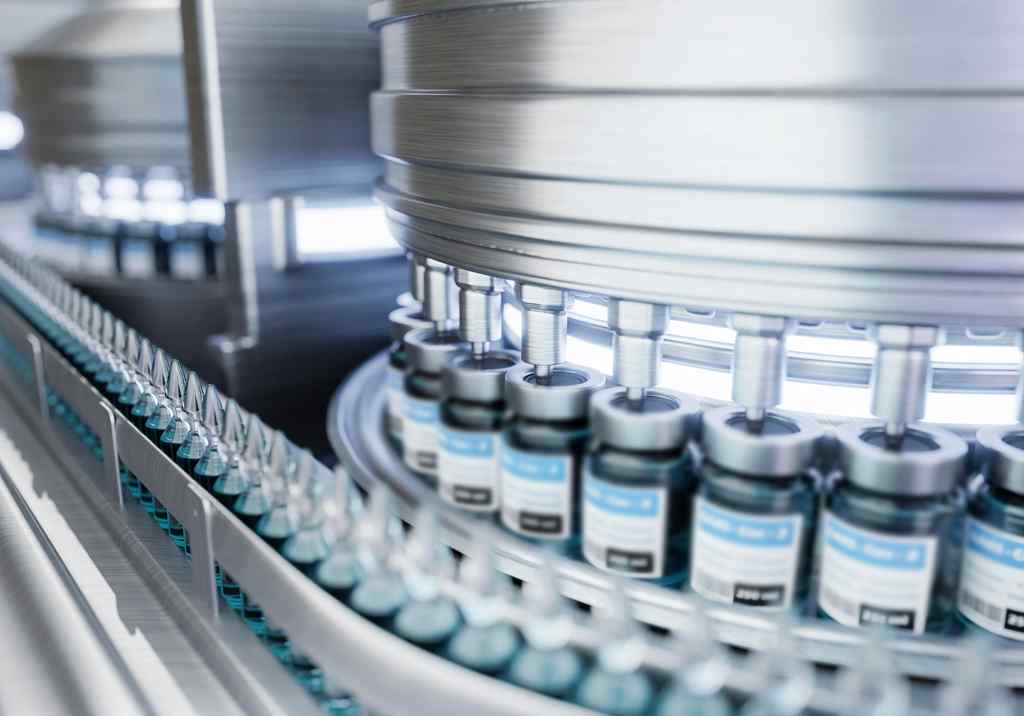
6 Must-Have Environmental Monitoring Features for Pharma Manufacturers
For pharmaceutical manufacturers, you know environmental monitoring systems are a key part of any quality management system, essential for pharmaceutical storage control, and serve as…
DicksonOne Refresher: Back to the Basics Webinar Recap
Did you miss our recent DicksonOne Refresher: Back to the Basics webinar, or want to revisit the highlights? We’ve got you covered. In this session,…
Ready to chat?
Talk To A Specialist
Our trained team of professionals is ready to help you through the compliance process from start to finish. Reach out today to start the conversation. Call (630) 563-4209 or send us a message.