



Our temperature chart recorders help you accurately track and document temperature fluctuations in a variety of environments, providing you with a visual, physical record of temperature over time so you maintain compliance and proper quality control of your products.
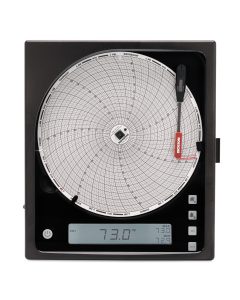
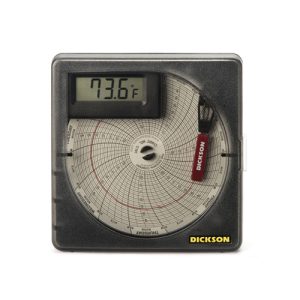
4″ Chart Recorder
A great size coupled with 2-3 year battery life makes this 4-inch (101mm) temperature chart recorder a great solution.

3″ Chart Recorder
Small enough to fit in your hand, ideal when space is a concern.
Related Blog Posts
Sorry, we couldn't find any posts. Please try a different search.
Upgrade to a Temperature Data Logger
Temperature chart recorders have been essential devices in industries like healthcare and food and service for decades, but it’s not the only option anymore. Our temperature data loggers use newer technology to ensure more accurate and continuous monitoring, alerting you immediately to temperature changes so you can address them. Additionally, data loggers eliminate the need for replaceable charts and pens, reducing maintenance costs, and offering easy digital access and data analysis.
Learn more about when it’s time to upgrade from temperature chart recorders to temperature data loggers and then shop our selection of devices.


Chart Recorders
Shop our various chart recorders and supplies, whether you're looking for pressure, temperature, or humidity monitoring.

Humidity Chart Recorders
Our humidity chart recorders are ideal for physical records to present during audits, use for quality control & ensure compliance.

Pressure Chart Recorders
Precise pressure control is critical in many industries. Learn and shop our pressure chart recorders to improve safety & efficiency of your organization.

Charts and Pens
Regularly replacing your chart recorder charts & pens can help you achieve more accurate data and prolong the life of your devices. Learn more and shop.
Frequently Asked Questions
What key features should I consider in a temperature recorder?
+Chart recorder size: Choose between smaller 4” models that can accomodate physical space requirements and utilize replaceable batteries and the larger 8” models with AC power and higher reading resolution.
Recording range: Ensure the recorder covers the necessary temperature range for your application.
Accuracy: Verify the device’s precision, especially for sensitive environments.
Durability: Look for models built for the specific conditions of your use, such as humidity or dust resistance. Look for features such as polycarbonate casings to ensure durability.
Calibration: Temperature and humidity sensors will drift over time. Consider a chart recorder that offers ongoing OEM calibration.
Why use a temperature chart recorder over digital alternatives?
+Chart recorders offer a simple, tangible way to record data without requiring software, batteries, or network connectivity. They’re ideal in situations where reliability and simplicity are more critical than advanced analytics. For regulated environments, chart recorders are often compliant with standards that mandate hard-copy documentation. Additionally, chart recorders work well in settings where digital access is limited or where electronic data loggers may be challenging to deploy.
How does a temperature chart recorder work?
+A temperature chart recorder is a device used to monitor and document temperature changes over time. It has a temperature and/or humidity sensor connected to a mechanical arm with a pen, which moves across a circular chart paper. As the temperature and humidity fluctuates, the pen records these changes on the paper, creating a visual timeline of temperature data. This physical chart serves as a direct record, often used for regulatory or quality control purposes in settings like laboratories, cold storage, or pharmaceuticals. The used charts are often dated and signed to create a representative snapshot for the time period indicated.
What is a temperature chart recorder?
+A temperature chart recorder is a device used to monitor, measure, and record temperature data over time. It typically consists of a temperature sensor, a recording mechanism, and a chart or digital display for visualizing the temperature data. These devices are commonly used in industries where precise temperature monitoring is critical, such as healthcare, food storage, manufacturing, and environmental monitoring.
Can I record temperature and humidity on the same chart?
+Yes, Dickson chart recorders are designed to record both temperature and humidity on the same chart. These dual-function recorders have two separate (red and blue) pens, each tracking a different variable, and are often used in environments like cold storage or laboratories where both temperature and humidity control are critical.
How to calibrate a temperature chart recorder?
+Calibration typically involves:
- Comparing the recorder’s readings with a known, accurate reference thermometer.
- Adjusting the chart recorder’s sensor until its readings match the reference.
Dickson offers calibration on all of our sensors to ensure ongoing accuracy. Sensors can be swapped at pre-defined intervals so there is no downtime.
How can I ensure the accuracy of my temperature chart recorder?
+Regular calibration is key to maintaining accuracy. Chart recorders should be recalibrated at intervals in alignment with your standard operating procedures (usually yearly or bi-yearly). It’s also important to place the recorder in an area free from interference like direct sunlight, heat sources, or drafts, as these can impact readings.