



Uncategorized
How to Place Data Loggers for Mapping Studies and 3 Ways Dickson Can Help
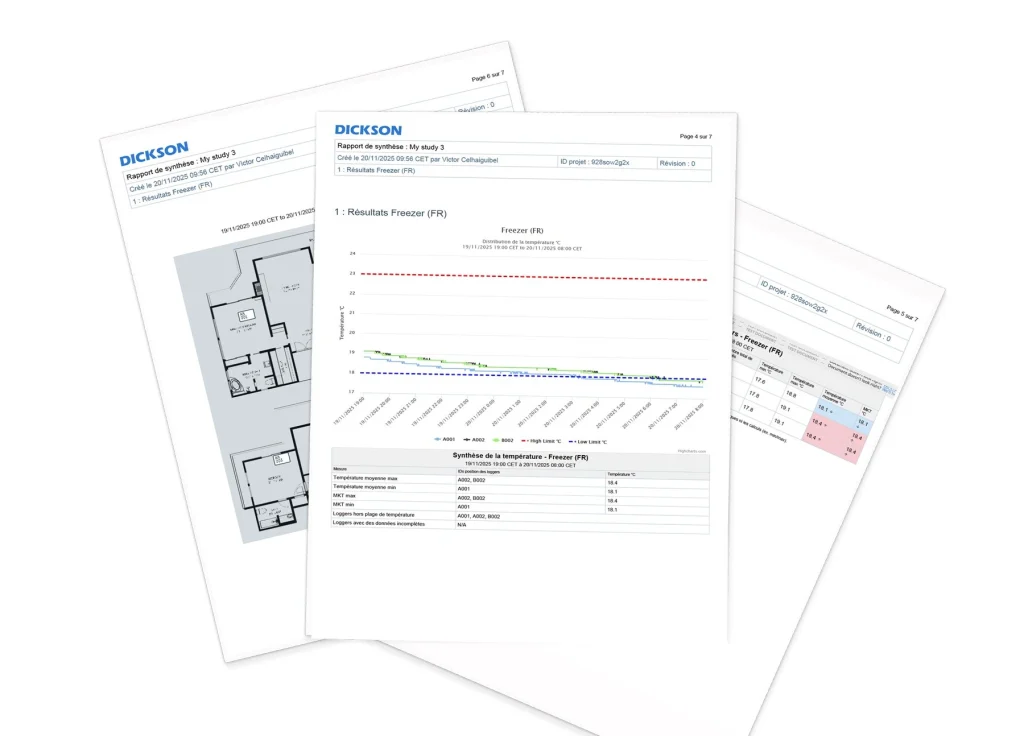
When it comes to temperature mapping, these two questions create the most confusion: how many loggers do I need, and where exactly should they go? In this article, we answer those questions and walk you through three ways Dickson can help you get the study done right. Why Data Logger Placement Is Critical for Accurate…
Read MoreHow Compounding Pharmacies Can Build a Defensible Differential Pressure Monitoring Program
For years, differential pressure sat in the background of compounding pharmacy monitoring programs — tracked less consistently than temperature and humidity, and enforced less rigorously. Now it’s at the top of auditors’ checklists. This article covers the regulatory history behind that shift, the specific direction and threshold rules United States Pharmacopeia (USP) <797> and USP…
Read MoreWhat to Look for in a GxP Metrology Partner for Pharmaceutical Manufacturing

In pharmaceutical manufacturing, there are moments that reveal whether your monitoring vendor is also a true GxP metrology partner. A temperature sensor found out of tolerance at its annual calibration. A software upgrade that voids your existing OQ documentation. An auditor asking for alarm logs for the past six months. The vendor’s responsibility extends beyond…
Read More4 Features That Set the Cobalt X Data Logger Apart in Multi-Environment Facility Monitoring

Regulated facilities aren’t simple environments. A single floor might contain ultra-low temperature freezers, CO₂ incubators, a cleanroom, and a cold storage room with different temperature and humidity requirements, different alarm thresholds, and different documentation standards. Most monitoring hardware handles one part of that picture well. The Cobalt X data logger was designed to handle all…
Read MoreBeat the Heat with These Summer Mapping Tips for Audit-Ready Compliance

A winter mapping study gives facility managers for pharmaceutical storage control at warehouses, cold chain distribution centers, and clinical storage facilities valuable data, but only half the picture. The environmental conditions your facility faces in summer look nothing like winter, and compliance requires documentation for both. Your HVAC system works differently when it’s hot and…
Read MoreWhy Continuous Differential Pressure Monitoring Is Critical in Pharmaceutical Cleanrooms

A pharmaceutical cleanroom’s pressure cascade does a critical job: keeping air and everything carried in it moving away from your most sensitive areas. Continuous environmental monitoring gives you documented proof that it’s working across every batch period and audit window, but only if the system is designed and installed correctly. A well-designed cleanroom differential pressure…
Read MoreTemperature, Humidity, and CO₂ Incubator Monitoring Best Practices for Cell Culture Labs

Just how much can 1.8°F (1°C) of variation impact a cell culture? Enzyme activity, cell division rates, and protein expression are all temperature-dependent processes. A single degree of drift from 98.6°F (37°C) shifts the biological conditions your entire experiment is built on. Research supports this. In a study of CHO cell lines used for monoclonal…
Read MoreBest Practices for Temperature & Humidity Sensor Calibration in GxP Environments

Your temperature and humidity sensors are doing their job every day. They log data, trigger alerts, and build the compliance record your team depends on. But all of that only holds up if the sensors are accurate. An out-of-calibration sensor is a problem that doesn’t announce itself in GxP-regulated environments, an umbrella term covering the…
Read MoreThe Hidden Risks of Built-In Incubator Sensors
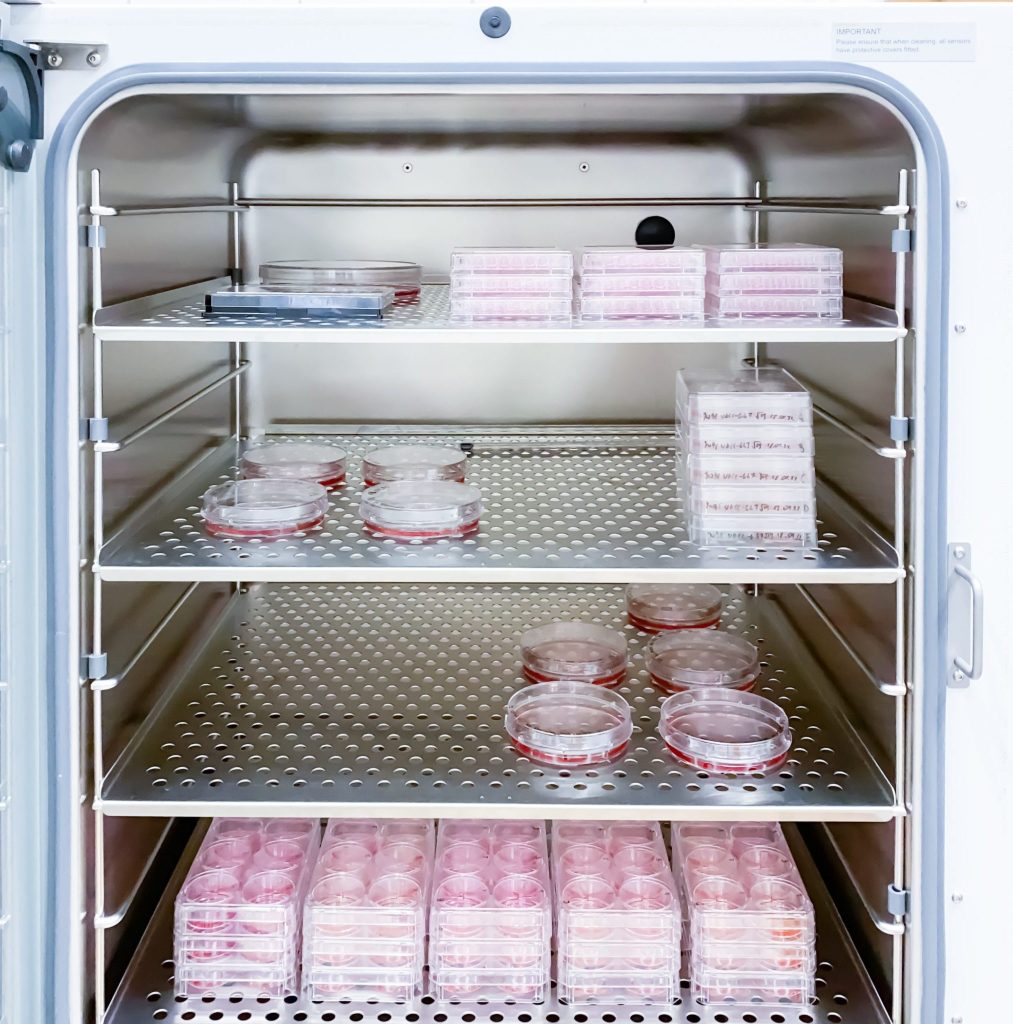
Your CO2 incubator display says everything is fine. Temperature steady. Humidity on target. CO2 holding at 5%. But that display only tells you what the incubator thinks is happening inside the chamber. The sensor responsible for those readings has been sitting in a hot, humid environment, quietly drifting off baseline. If it drifts, the machine doesn’t know. It just keeps adjusting to a flawed…
Read MoreAvoiding 7 Common Mistakes in Temperature and Humidity Mapping Projects

Temperature and humidity mapping is one of the most consequential studies your team will conduct. Yet even experienced teams routinely stumble on the same seven mistakes. From skipping a written test plan to treating mapping as a one-time exercise, any one of them can compromise your dataset and put your compliance program at risk. Mistake #1: Starting Without…
Read More