






Temperature Mapping & Validation in the Age of Biopharma Growth
A key step to scaling up operations in biopharma is qualifying new storage areas through thermal mapping. We’ll talk about the reasons for doing a thorough mapping and provide step-by-step instructions.
Food Plants & Warehouses Are Increasingly Being Audited And Fined By The FDA
The FDA is re-starting regular inspections of food plants and warehouses as they were prior to the pandemic. Find out how to continue operating safely.
IoT-enabled Monitoring Technologies Can Help Blood Banks Save Lives. Here’s How.
Automation and IoT have revolutionized the way that blood banks operate. We’ll discuss the details behind that, with a focus on environmental monitoring.
Preparing For the Return of FDA Surveillance Inspections: A Guide for Pharmaceutical Manufacturers
The FDA recently announced a re-start of routine surveillance audits of pharmaceutical manufacturing facilities. In this guide, we’ll talk about who should expect an audit, and how to prepare, including the need for a GMP facility audit checklist.
Bluetooth Data Loggers: When, How & Why You Should Use Them
Data loggers that communicate via Bluetooth and NFC provide flexibility and convenience for challenging field applications, like monitoring outdoor environments and packages in transit.
How are Data Loggers Powered?
A discussion of the various ways that data loggers can be powered (battery, building mains AC, power over ethernet, and others) and transmit data (USB, Bluetooth, Wi-Fi, NFC, LoRa, cellular, and ethernet).
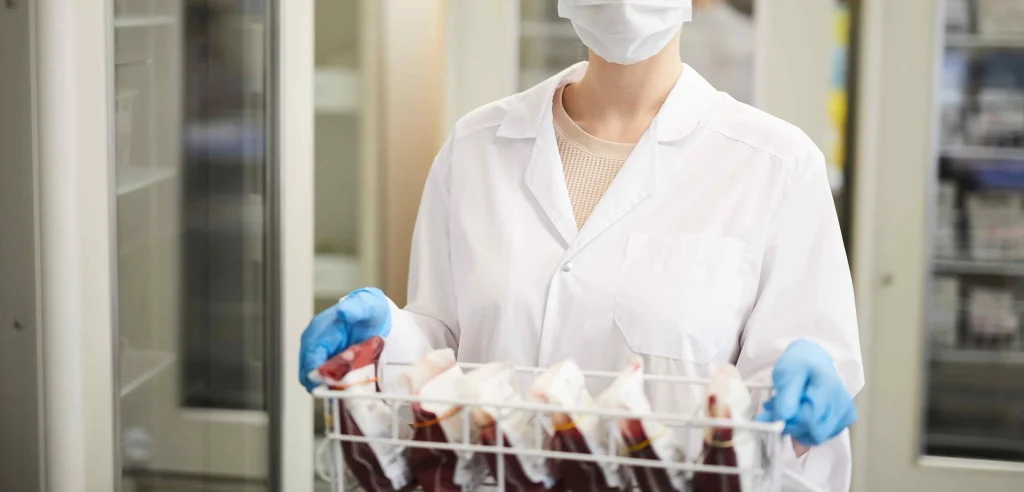
The One Technology Blood Banks Should Invest In This Year
Digital data loggers can streamline environmental monitoring in blood banks, reducing waste and ensuring regulatory compliance.
What Are Temperature Data Loggers Used For?
Data loggers are used to improve reliability, efficiency, and regulatory compliance for the pharmaceutical, food and beverage, automotive, aerospace, and water treatment industries.

What’s an Industrial Data Logger?
Three areas where industrial data loggers are used to improve quality, reliability, and regulatory compliance: manufacturing, vaccine distribution, and renewable energy.

Can You Use a Data Logger For Concrete Curing? Let’s find Out.
A description of what happens during concrete curing, how it can be controlled, and the potential role of data loggers to automate and improve the reliability of the process.