



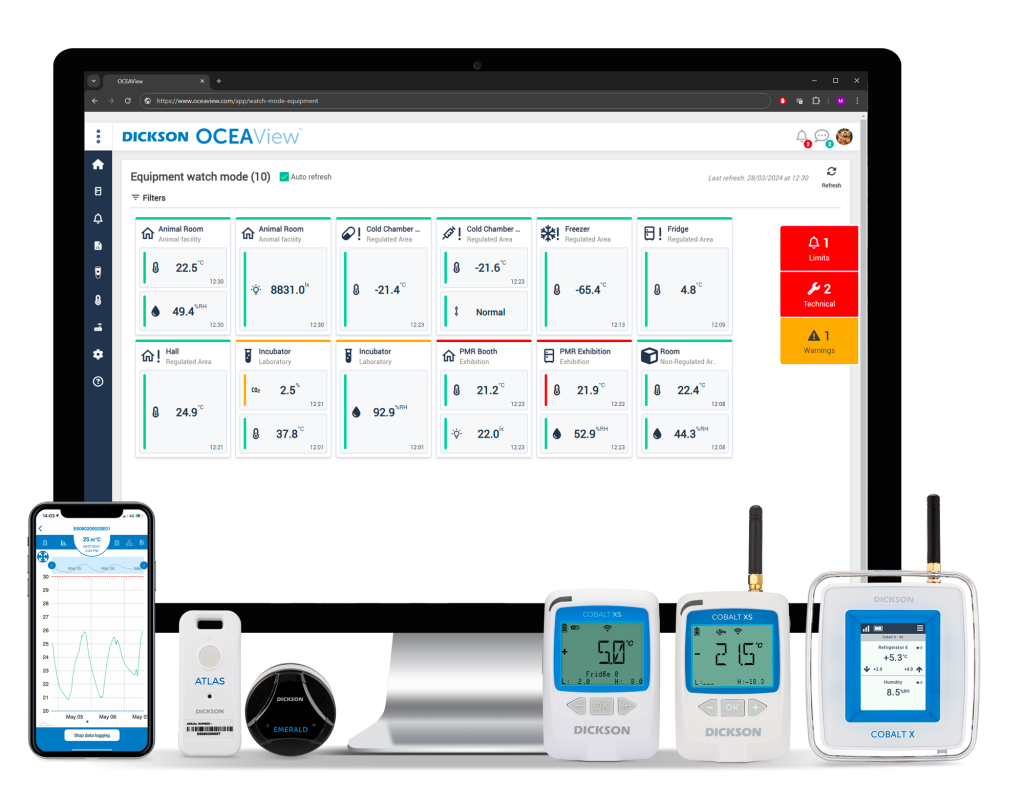
What Is OPC UA, and Why Does It Matter for Regulated Industries?
If you work anywhere near a plant floor, a cleanroom, or a hospital facilities team, you’ve probably heard the term OPC UA, usually in the same conversation as SCADA (Supervisory…
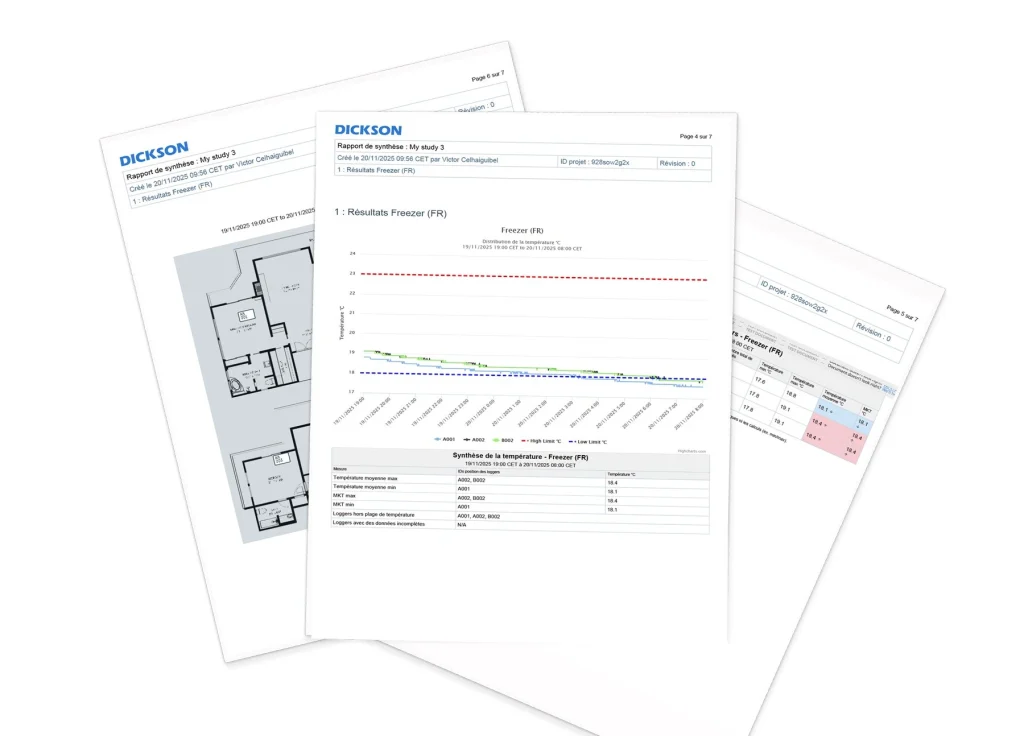
How to Place Data Loggers for Mapping Studies and 3 Ways Dickson Can Help
When it comes to temperature mapping, these two questions create the most confusion: how many loggers do I need, and where exactly should they go? In this article, we answer…
How Compounding Pharmacies Can Build a Defensible Differential Pressure Monitoring Program
For years, differential pressure sat in the background of compounding pharmacy monitoring programs — tracked less consistently than temperature and humidity, and enforced less rigorously. Now it sits at the…
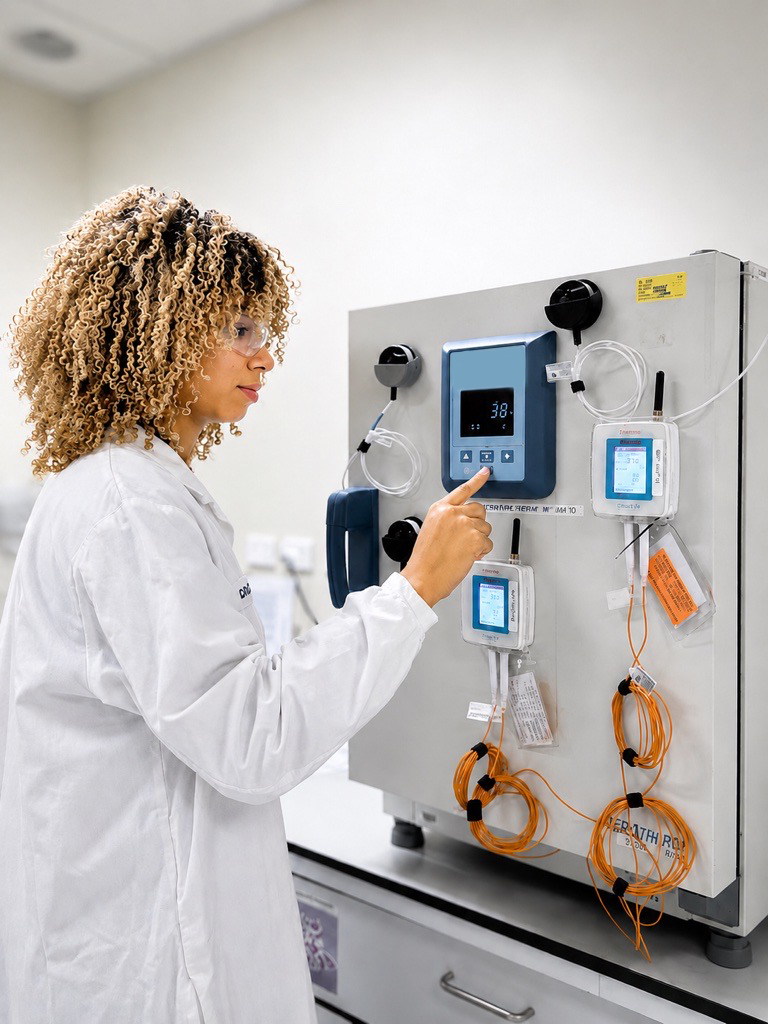
How Douglas Pharmaceuticals Strengthened Environmental Monitoring and Audit Readiness with OCEAView™
Faced with the need to modernise its environmental monitoring approach across two manufacturing sites, Douglas Pharmaceuticals turned to Dickson to deploy a compliant, centralised, and scalable digital platform. Douglas Pharmaceuticals,…

What Is a Temperature Data Logger?
This article describes some of the uses and features of modern temperature data loggers, a key component of environmental monitoring in many industries.
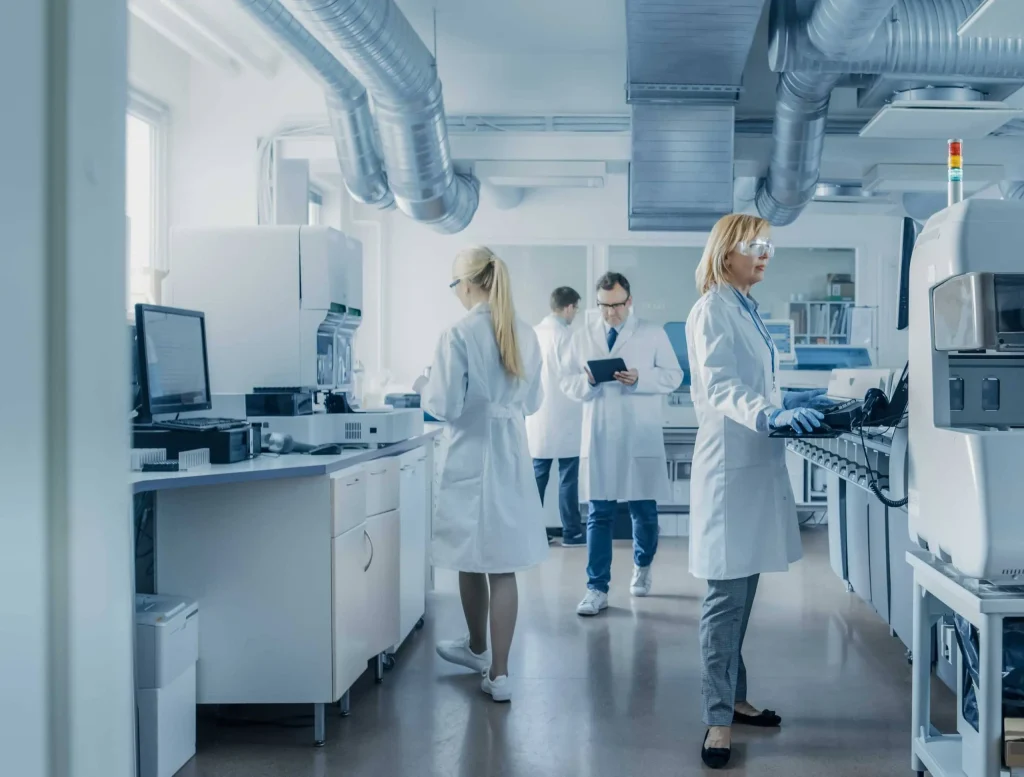
What to Look for in a GxP Metrology Partner for Pharmaceutical Manufacturing
In pharmaceutical manufacturing, there are moments that reveal whether your monitoring vendor is also a true GxP metrology partner. A temperature sensor found out of tolerance at its annual calibration.…

4 Features That Set the Cobalt X Data Logger Apart in Multi-Environment Facility Monitoring
Regulated facilities aren’t simple environments. A single floor might contain ultra-low temperature freezers, CO₂ incubators, a cleanroom, and a cold storage room with different temperature and humidity requirements, different alarm…

Beat the Heat with These Summer Mapping Tips for Audit-Ready Compliance
A winter mapping study gives facility managers for pharmaceutical storage control at warehouses, cold chain distribution centers, and clinical storage facilities valuable data, but only half the picture. The environmental…

Why Continuous Differential Pressure Monitoring Is Critical in Pharmaceutical Cleanrooms
A pharmaceutical cleanroom’s pressure cascade does a critical job: keeping air and everything carried in it moving away from your most sensitive areas. Continuous environmental monitoring gives you documented proof…

Temperature, Humidity, and CO₂ Incubator Monitoring Best Practices for Cell Culture Labs
Just how much can 1°C of variation impact a cell culture? Enzyme activity, cell division rates, and protein expression are all temperature-dependent processes. A single degree of drift from 37°C…