



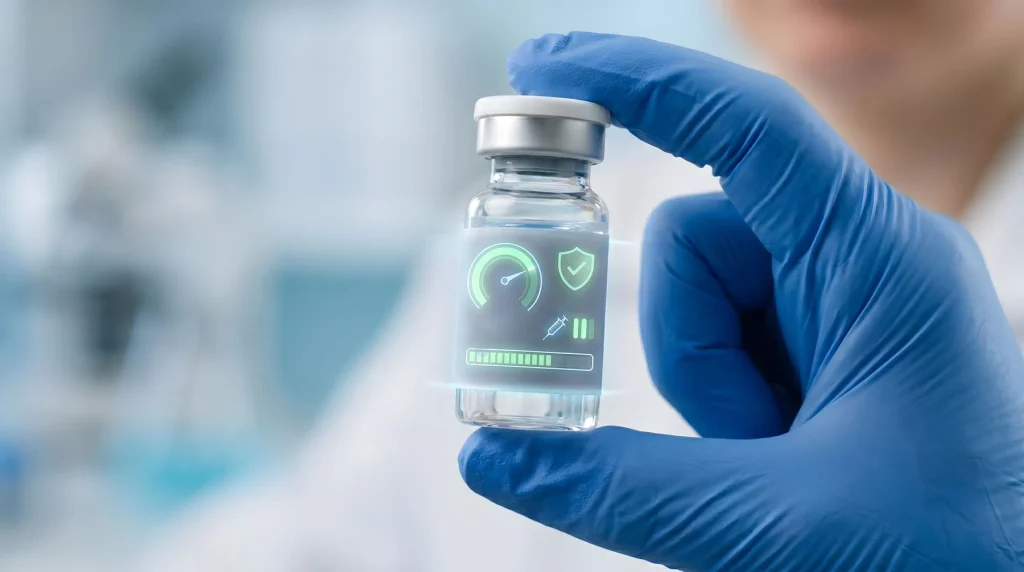
Pharmaceutical products, such as vaccines, biologics, and insulin, require strict environmental conditions to remain effective. Proper pharmaceutical cold storage is essential to maintaining the integrity, efficacy, and safety of these temperature-sensitive medicines.
There are financial impacts at stake, including product loss. However, there are also great human costs at stake, such as patient safety.
The WHO Annex 9 guidelines outline best practices for storing and transporting pharmaceuticals, ensuring compliance with Good Distribution Practices (GDP) and GxP Pharma standards. A crucial part of these cold storage regulations is effective temperature and humidity control, which protects pharmaceutical products from environmental fluctuations that could compromise their quality.
Similar but slightly different than WHO Annex 9, WHO Annex 7 establishes standards for vaccine storage, administration, validity, and certification to ensure global health security. Annex 9 addresses broader cold chain requirements for transporting medical supplies, ensuring safety and quality across international travel and trade.
The Importance of Temperature and Humidity Control in Pharmaceutical Storage
WHO Annex 9 mandates that pharmaceutical storage areas be mapped and equipped with proper temperature and humidity control mechanisms to prevent spoilage, contamination, or degradation.
Maintaining stable conditions requires:
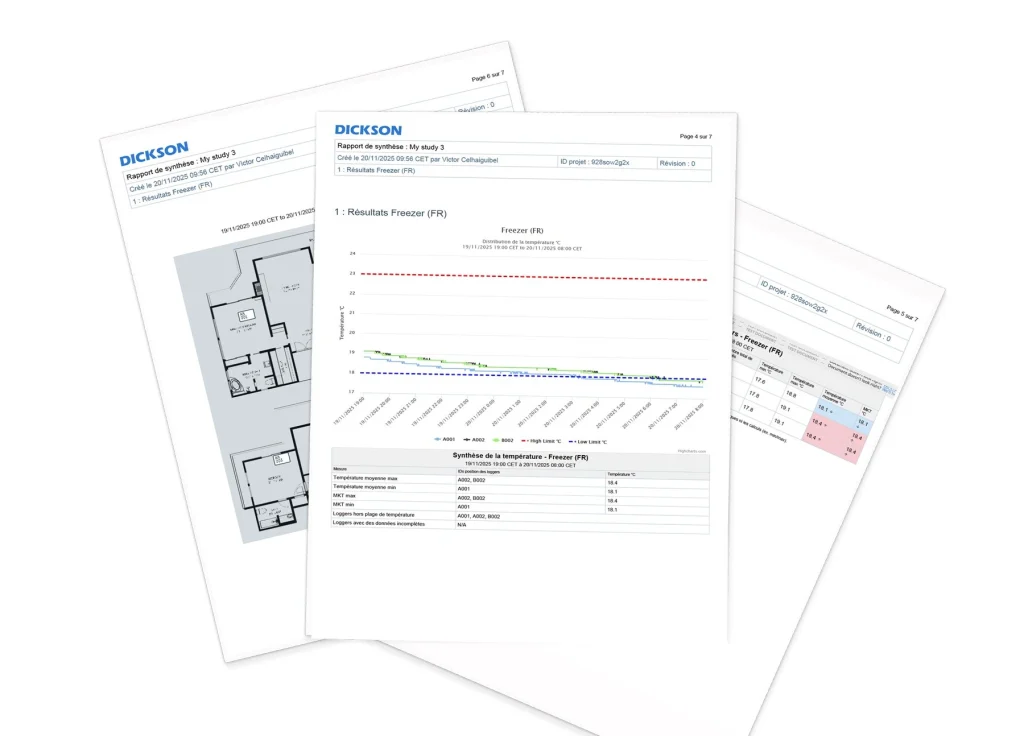
- Mapping to determine the temperature uniformity in the storage facility and the position of the environmental probes.
- Properly insulated and climate-controlled storage facilities.
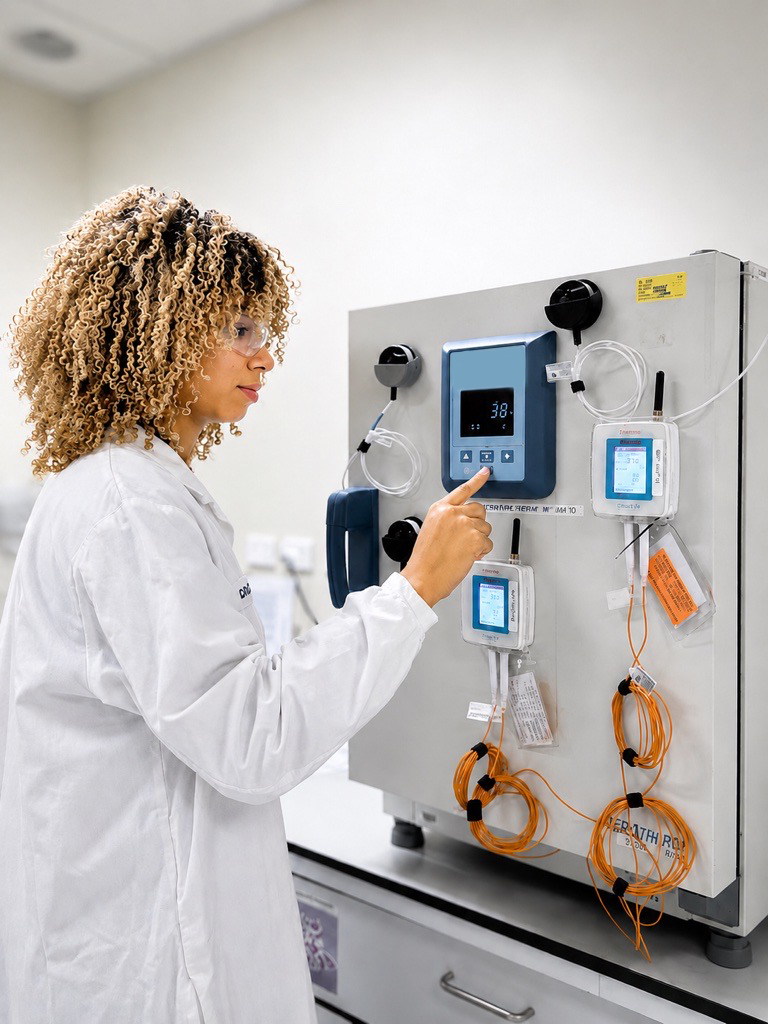
- Precise temperature monitoring and humidity monitoring systems.
- Immediate alerts through temperature alarms and humidity alarms in case of deviations.
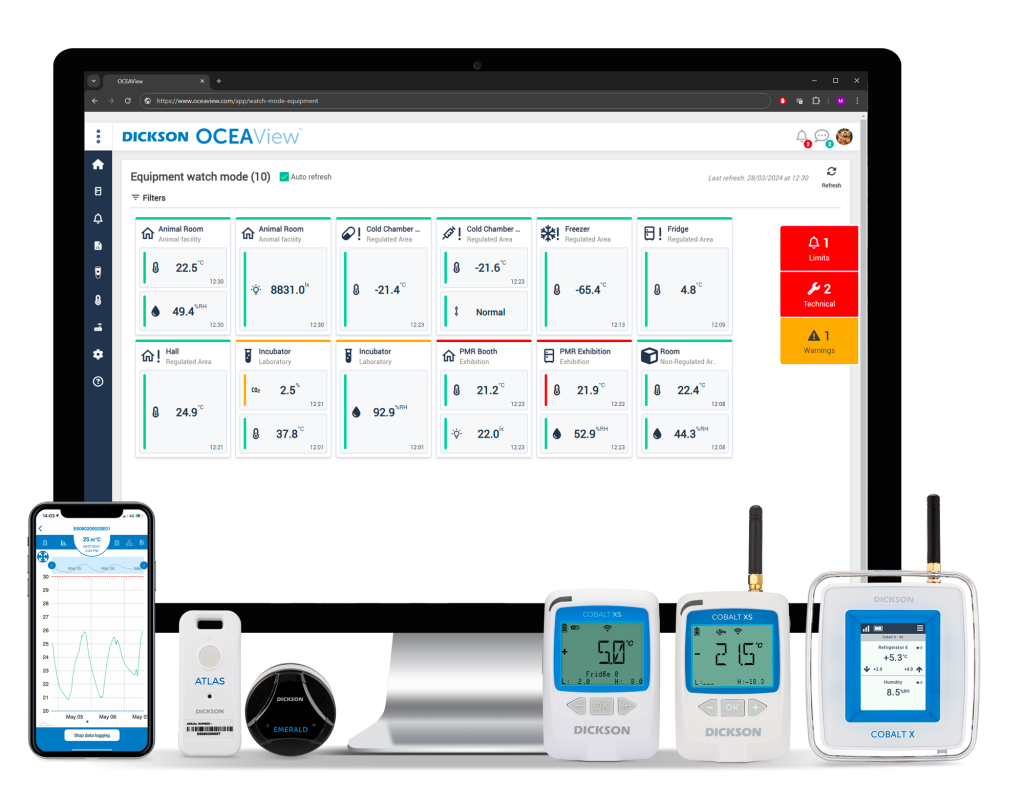
For example, Dickson’s temperature sensors and data loggers provide real-time alerts and notifications for excursions. This gives your staff the right alerts at the right time to help them respond immediately and take corrective actions. Timely alerts are critical because they can help you minimize the duration of an excursion and damage to pharmaceutical assets.
Temperature and Humidity Monitoring for WHO Annex 9 Compliance
Continuous temperature monitoring and humidity monitoring are critical for maintaining compliance with WHO Annex 9. These monitoring systems should be:
- Real-time and automated for continuous tracking.
- Equipped with temperature sensors and humidity sensors in the right place to notify staff of excursions.
- Integrated with cloud-based solutions for remote access and oversight.

Pharmaceutical companies must maintain detailed records of temperature and humidity data, ensuring proper documentation for regulatory audits. WHO Annex 9 also highlights the importance of having contingency plans in place in case of power failures or refrigeration breakdowns.
If necessary, a qualification can be carried out by Dickson. Contact us if you have any questions or if you are interested in learning more.
Calibration of Temperature and Humidity Control Devices
Ensuring accurate temperature and humidity control requires routine calibration of temperature control devices and calibration of humidity control devices. Calibration ensures that sensors and monitoring systems provide precise readings, preventing errors that could lead to incorrect storage conditions.
To remain compliant, pharmaceutical cold storage operators must:
- Regularly calibrate all monitoring devices per manufacturer guidelines.
- Validate the accuracy of temperature and humidity sensors.
- Maintain calibration records for audits and inspections.
Failure to calibrate devices can lead to incorrect readings, unnoticed temperature excursions, and potential pharmaceutical degradation.
However, Dickson does offer Replaceable Sensors™ for temperature and humidity. You can simply order a pre-calibrated sensor and then replace the older sensor with the new one to complete recalibration.
Good Distribution Practices (GDP) and Cold Storage Compliance
Adhering to Good Distribution Practices (GDP) is essential for maintaining product quality throughout the supply chain. To meet GDP standards, companies must:
- Ensure proper temperature and humidity control in all pharmaceutical storage areas.
- Implement validated storage and transport systems.
- Train staff on handling temperature-sensitive products.
- Establish protocols for responding to temperature alarms and humidity alarms.
By following these guidelines, companies can prevent temperature and humidity excursions, protect product quality, and ensure patient safety. To view the WHO Annex 9 guidelines, click here.
Access Our Free Pharmaceutical Handbook
Our Pharmaceutical Handbook dives deep into the challenges and trends impacting pharmaceutical manufacturing, reviews core regulations, and discusses how monitoring can help your company address compliance challenges, stay audit-ready and protect end users.
Interested in learning more? Access this handy free guide here or contact a Dickson expert with any questions.
What Is OPC UA, and Why Does It Matter for Regulated Industries?
If you work anywhere near a plant floor, a cleanroom, or a hospital facilities team, you’ve probably heard the term OPC UA, usually in the…
How to Place Data Loggers for Mapping Studies and 3 Ways Dickson Can Help
When it comes to temperature mapping, these two questions create the most confusion: how many loggers do I need, and where exactly should they go?…
How Compounding Pharmacies Can Build a Defensible Differential Pressure Monitoring Program
For years, differential pressure sat in the background of compounding pharmacy monitoring programs — tracked less consistently than temperature and humidity, and enforced less rigorously….
How Douglas Pharmaceuticals Strengthened Environmental Monitoring and Audit Readiness with OCEAView™
Faced with the need to modernise its environmental monitoring approach across two manufacturing sites, Douglas Pharmaceuticals turned to Dickson to deploy a compliant, centralised, and…
Ready to chat?
Talk To A Specialist
Our trained team of professionals is ready to help you through the compliance process from start to finish. Reach out today to start the conversation. Call +33 4 99 13 67 30 or send us a message.