



Temperature mapping is essential for proper pharmaceutical storage control, but the real test is proving your methods are consistent and verifiable across the board.
When every facility uses a slightly different protocol, you’re left with a patchwork of data that can be the troubling regulatory compliance gaps that a sharp-eyed auditor will question first.
WHO Annex 9 solves this by establishing a single, globally recognized benchmark for validation. Adopting this framework ensures your studies align with international standards—a critical factor for success in the global cold chain.
To ensure your next warehouse mapping exercise meets these standards, consider these eight essential steps.

1. Develop a Clear Scope and Protocol
Before placing a single temperature or humidity sensor, a detailed validation protocol is required. This document is the blueprint for your mapping study and must define its scope, purpose, and methodology.
It should apply to any storage areas containing pharmaceuticals with specified temperature labels, including main storage areas, cold rooms, freezers, quarantine zones, and receiving and loading bays.
Your protocol should clearly outline the equipment to be used, such as specific temperature data logger models, the calibration status of your data loggers, and the specific acceptance criteria for temperature ranges and study duration.
2. Determine Appropriate Sensor Placement
The accuracy of your mapping study hinges on the strategic placement of temperature and humidity sensors. The goal is to identify hot and cold spots by gaining a comprehensive, three-dimensional view of the environment. Consider the following when placing your sensors:
- Layout: Account for shelving, pallet racking, and distinct storage zones.
- External Factors: Place sensors near exterior walls, doors, windows, and HVAC sources.
- Height Variations: Position sensors at multiple heights (low, middle, and high) to capture vertical temperature gradients.
- Airflow: Analyze how air circulates and place additional sensors in areas known for poor airflow or temperature fluctuations.
As a general rule, one temperature data logger for every 5-10 meters is recommended, but this can vary based on the room’s volume and complexity.
3. Map in Both Empty and Loaded Conditions
A complete mapping study requires a two-phase approach. First, an empty mapping study establishes a baseline temperature profile of the space, identifying inherent variations without the influence of products.
More importantly, a loaded mapping study must be performed under normal operational conditions. Products, pallets, and racking significantly impact airflow and heat distribution, and this study simulates how the space will perform in real-world scenarios.
4. Define the Mapping Study Duration
Your study must run long enough to capture temperature fluctuations throughout daily and weekly operational cycles. For ambient warehouses and storage areas, WHO recommends a duration of at least 7 to 10 consecutive days.
This extended period ensures the study accounts for different shift activities, door openings, and other variables that can affect the internal environment. Mapping should also be conducted across different seasons, such as summer and winter, to understand the impact of external weather conditions.
5. Analyze, Report, and Verify Data
Once the study is complete, the data from every temperature probe and sensor must be consolidated and analyzed to identify the minimum, maximum, and mean temperatures for each location.
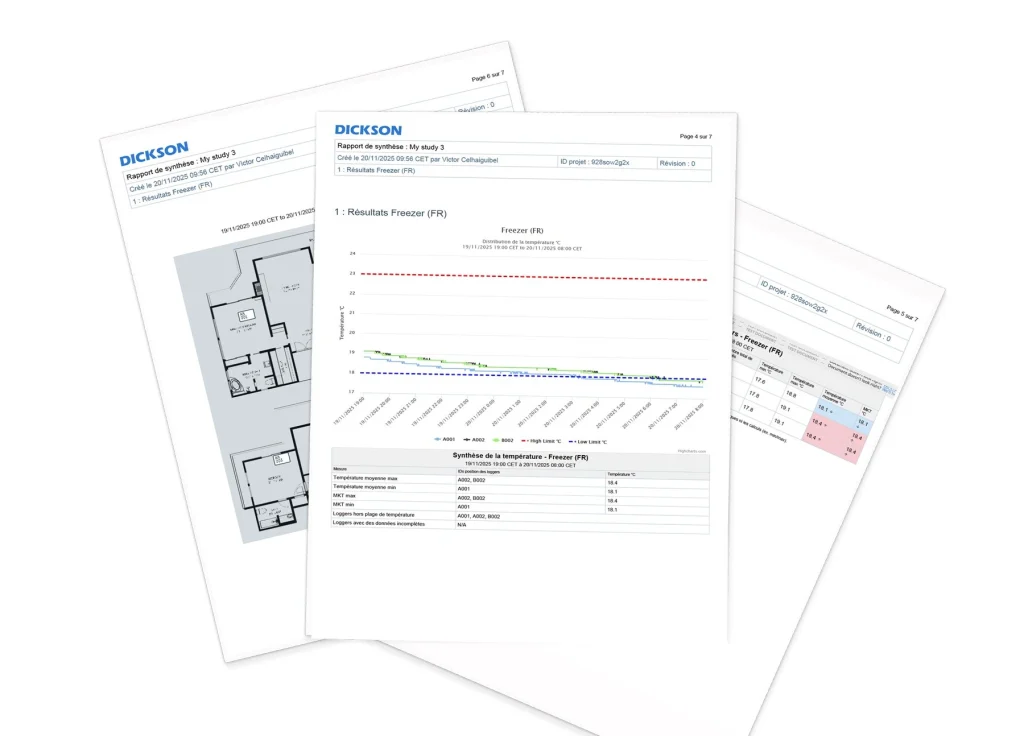
A comprehensive mapping report should be generated that summarizes all findings, clearly highlights any hot and cold spots, and details any deviations from your acceptance criteria. The report should also recommend corrective actions, such as adjusting airflow or modifying storage layouts.
Finally, post-calibrating temperature probes or sensors verifies their accuracy throughout the study, which avoids an impact analysis in the event of a drift.
6. Conduct Power Failure and Excursion Testing
Your facility must be prepared for the unexpected. The mapping protocol should include procedures to test how long a storage area remains within its designated temperature range during a power failure. This may involve specific “pull-down” or recovery tests to demonstrate resilience and inform your standard operating procedures for temperature excursions.
7. Identify and Isolate Unsuitable Storage Zones
A critical outcome of the mapping exercise is the clear identification of any zones unsuitable for storing Time- and Temperature-Sensitive Pharmaceutical Products (TTSPPs). These areas must be clearly marked and cordoned off to prevent products from being stored in non-compliant locations.
8. Remap and Continuously Monitor
Temperature and humidity mapping is not a one-time event. Re-mapping should be conducted periodically—typically every 2-3 years—or whenever significant changes are made to the facility, such as new racking, HVAC modifications, or facility expansion.
The hot and cold spots identified during your mapping study are the ideal locations to place sensors for your permanent, continuous temperature monitoring system, ensuring you always have visibility into your most vulnerable areas.
From Mapping to Monitoring: A Seamless Solution
Navigating the complexities of WHO Annex 9 guidelines can be challenging, but Dickson provides comprehensive temperature monitoring solutions to simplify the process:
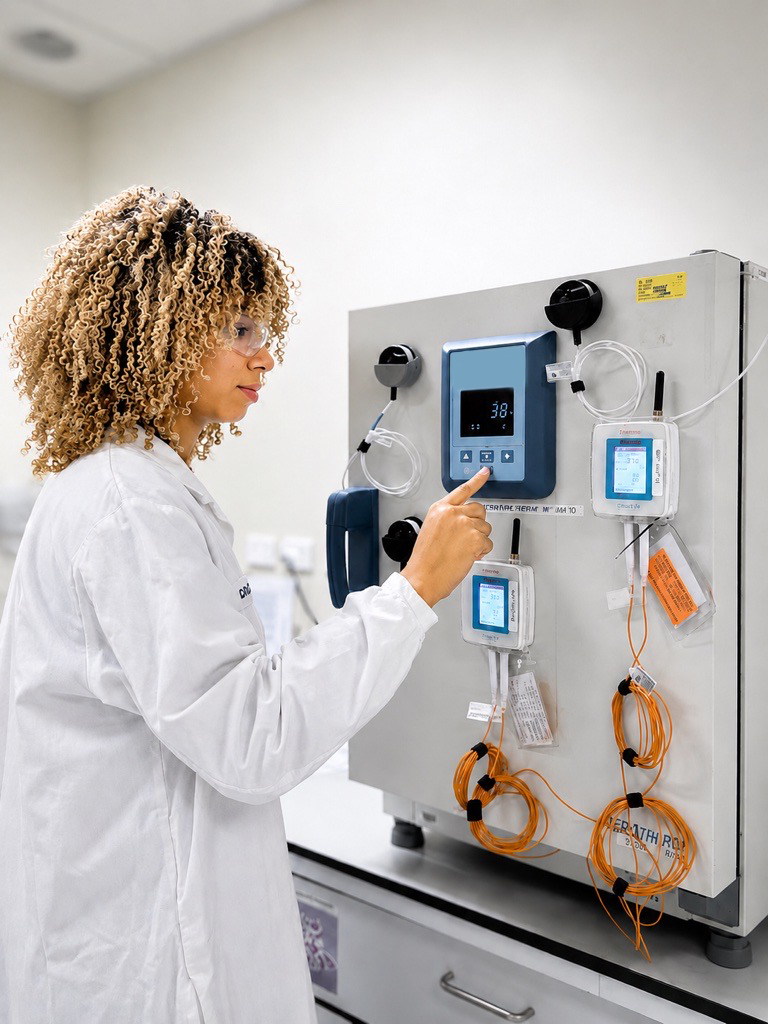
Expert Onsite Mapping: Our team uses pre-calibrated, smart sensors and a proven 7-step process to develop customized sensor placement plans based on your unique layout.
Audit-Ready Documentation: You receive a comprehensive Validation Summary Report with all findings and recommendations, ensuring you’re prepared for any audit.
Seamless Transition to Monitoring: After mapping, we help you transition to our cloud-enabled or On-premises OCEAView platform to continuously monitor identified vulnerable zones and proactively mitigate risks.
This approach better prepares you for audits, protects your products, and safeguards your operation from the damage of temperature excursions.
Ready to ensure your facility meets global standards? Visit our temperature monitoring and measurement page to learn more or contact a Dickson expert with any questions.
How to Place Data Loggers for Mapping Studies and 3 Ways Dickson Can Help
When it comes to temperature mapping, these two questions create the most confusion: how many loggers do I need, and where exactly should they go?…

How Compounding Pharmacies Can Build a Defensible Differential Pressure Monitoring Program
For years, differential pressure sat in the background of compounding pharmacy monitoring programs — tracked less consistently than temperature and humidity, and enforced less rigorously….
How Douglas Pharmaceuticals Strengthened Environmental Monitoring and Audit Readiness with OCEAView™
Faced with the need to modernise its environmental monitoring approach across two manufacturing sites, Douglas Pharmaceuticals turned to Dickson to deploy a compliant, centralised, and…

What to Look for in a GxP Metrology Partner for Pharmaceutical Manufacturing
In pharmaceutical manufacturing, there are moments that reveal whether your monitoring vendor is also a true GxP metrology partner. A temperature sensor found out of…
Ready to chat?
Talk To A Specialist
Our trained team of professionals is ready to help you through the compliance process from start to finish. Reach out today to start the conversation. Call +33 4 99 13 67 30 or send us a message.