



Just how much can 1°C of variation impact a cell culture?
Enzyme activity, cell division rates, and protein expression are all temperature-dependent processes. A single degree of drift from 37°C shifts the biological conditions your entire experiment is built on.
Research supports this. In a study of CHO cell lines used for monoclonal antibody production, researchers at Bristol Myers Squibb found that temperature differences as small as 1–1.5°C measurably affected cell culture performance, including protein titer and key quality attributes. While findings vary by cell line, the underlying principle holds broadly: in incubator monitoring, small numbers carry real consequences.
While the culture may look healthy under the microscope, the reproducibility of your results is another matter entirely. For cell lines used in drug development, assay validation, or any research where consistency can’t be compromised, a drift of this magnitude is a variable you can’t afford to leave undocumented.
Setting the Right Operating Parameters and Alarm Limits
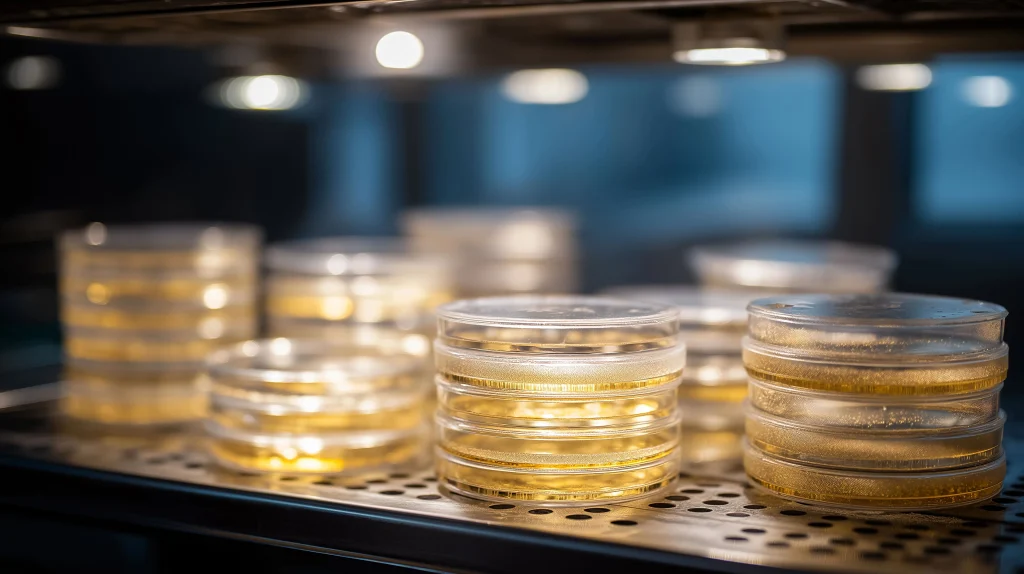
Most cell culture labs work within these accepted parameters:
Temperature: 37°C ± 0.5°C for mammalian cell culture. Tighter tolerances may apply for specific cell lines or assay types.
Relative Humidity: ≥95% RH to prevent evaporation from culture media and maintain osmolality.
CO₂: 4.5-5.5% CO₂ to buffer pH in bicarbonate-based media systems.
Your alarm thresholds should be set inside your operating limits, not at them. A common approach uses two tiers:
Alert limit: A warning that conditions are trending toward an unacceptable range, giving staff time to investigate before samples are at risk.
Action limit: A threshold that requires an immediate, documented corrective response.
Map Your Chamber Before Placing Sensors Permanently
Effective incubator monitoring starts with sensor placement and understanding that incubators are not perfectly uniform environments. Temperature and humidity can vary between shelves, near door seals, and around the water pan. Before committing to permanent temperature and humidity sensor locations, an incubator mapping study documents real temperature and humidity distribution across the incubator’s interior.
The number and placement of sensors depends on which regulatory framework your lab follows. The World Health Organization’s Technical Report Series 1044, the International Society for Pharmaceutical Engineering’s Good Practice Guide, and applicable national standards each specify minimum sensor counts and placement rules. Under ISPE guidance, chambers under 2 m³ require at least 9 data loggers plus 1 control probe. Chambers under 20 m³ require at least 15 data loggers plus 1 control probe, with sensors at each corner of the working area and at the geometric centre.
Regardless of the framework, sensors are typically placed at:
- The geometric center of the incubator chamber.
- Near the water reservoir or humidification system, where variability is often highest.
- At shelf level where samples are routinely stored.
Build a Documentation Record That Holds Up Under Audit
A complete incubator monitoring record goes beyond temperature spot-checks. Your documentation should capture:
- Continuous data logs for temperature, humidity, and CO₂ — not just spot-checks.
- Alarm event records, including the time, duration, and magnitude of each excursion.
- Pre-alarm notifications when conditions are trending toward a threshold, allowing time to intervene before an excursion is triggered.
- Corrective action documentation for every alarm event that reaches your action limit.
- Calibration records for all temperature, humidity and CO₂ sensors, traceable to SI (International System of Units) standards through an accredited calibration laboratory.
- Historical trend data, which should be reviewed regularly to identify patterns, such as gradual drift in temperature or humidity readings that can signal a sensor or equipment issue long before a formal excursion occurs.
Systems that generate records aligned with EU GMP Annex 11 requirements, including audit trails, user authentication, and secure data storage, keep your lab ready for inspection without last-minute scrambles.
How Dickson Supports Cell Culture Labs
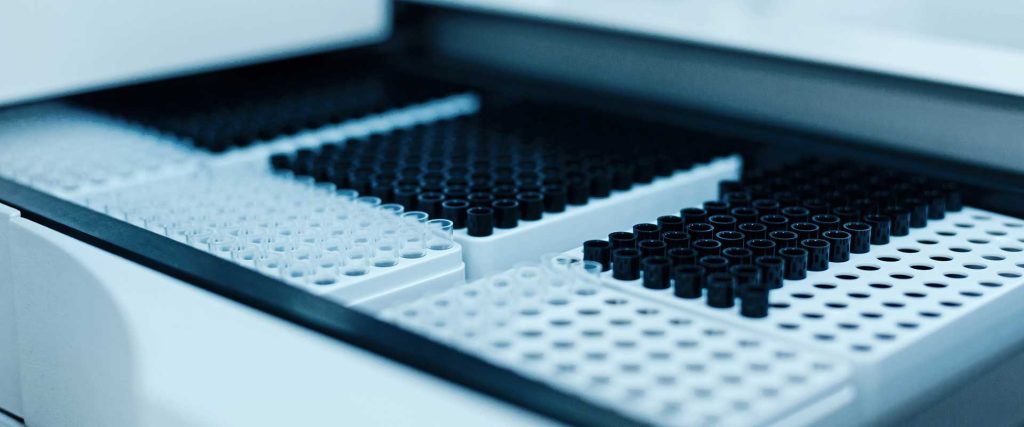
Dickson’s laboratory temperature monitoring solutions are built for the precision that cell culture demands. With the DicksonOne or OCEAView™ platforms, you can continuously record temperature, humidity, CO₂ levels, and more, delivering real-time alerts to the right people at the right time through configurable escalation paths and role-based alarm templates. Every data point is time-stamped, secured, and audit-ready.
Depending on where your lab needs the most support, Dickson offers:
Purpose-built sensing: The Temperature, Humidity, and CO₂ Smart-Sensor monitors all three critical incubator parameters in a single compact device without unnecessary hardware complexity.
Wireless data logging: Dickson’s wireless data loggers automatically deliver temperature and humidity data to DicksonOne or OCEAView, storing readings locally during any connectivity interruption and syncing automatically once the connection is restored to keep your compliance record intact around the clock.
Chamber mapping: Dickson’s in-house mapping service provides the documented environmental study you need to validate permanent sensor placement before samples are ever at risk.
Accredited calibration: ISO 17025 / COFRAC-accredited calibration services keep your temperature and humidity sensors NIST-traceable and audit-ready.
Clinical and research laboratories around the world trust Dickson’s 90 years of compliance expertise to keep their EU, GMP, GLP, and GxP environmental monitoring compliance requirements covered. Whether you’re building a new incubator monitoring program or closing gaps in an existing one, contact a Dickson expert to see how Dickson’s environmental monitoring platform makes independent incubator monitoring straightforward, compliant, and audit-ready from day one.
Related Blogs
5 Key Questions for Easy Environmental Monitoring System Maintenance
How to Place Data Loggers for Mapping Studies and 3 Ways Dickson Can Help
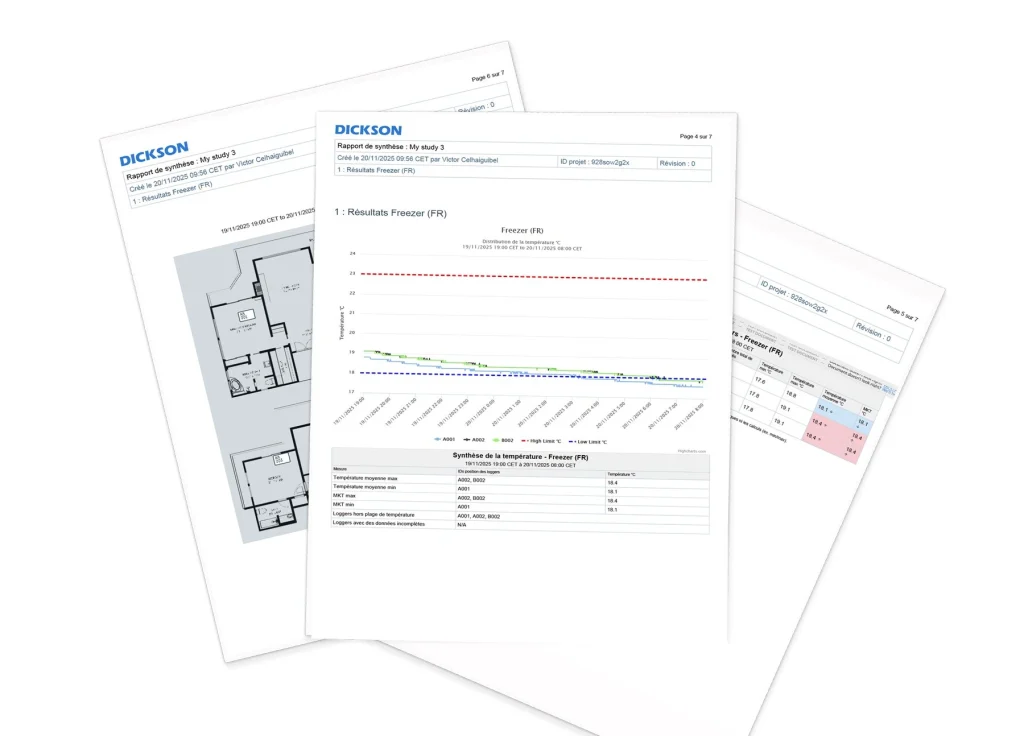
When it comes to temperature mapping, these two questions create the most confusion: how many loggers do I need, and where exactly should they go?…
How Compounding Pharmacies Can Build a Defensible Differential Pressure Monitoring Program
For years, differential pressure sat in the background of compounding pharmacy monitoring programs — tracked less consistently than temperature and humidity, and enforced less rigorously….
How Douglas Pharmaceuticals Strengthened Environmental Monitoring and Audit Readiness with OCEAView™
Faced with the need to modernise its environmental monitoring approach across two manufacturing sites, Douglas Pharmaceuticals turned to Dickson to deploy a compliant, centralised, and…

What to Look for in a GxP Metrology Partner for Pharmaceutical Manufacturing
In pharmaceutical manufacturing, there are moments that reveal whether your monitoring vendor is also a true GxP metrology partner. A temperature sensor found out of…
Ready to chat?
Talk To A Specialist
Our trained team of professionals is ready to help you through the compliance process from start to finish. Reach out today to start the conversation. Call +33 4 99 13 67 30 or send us a message.