



Uncategorized
The Hidden Risks of Built-In Incubator Sensors
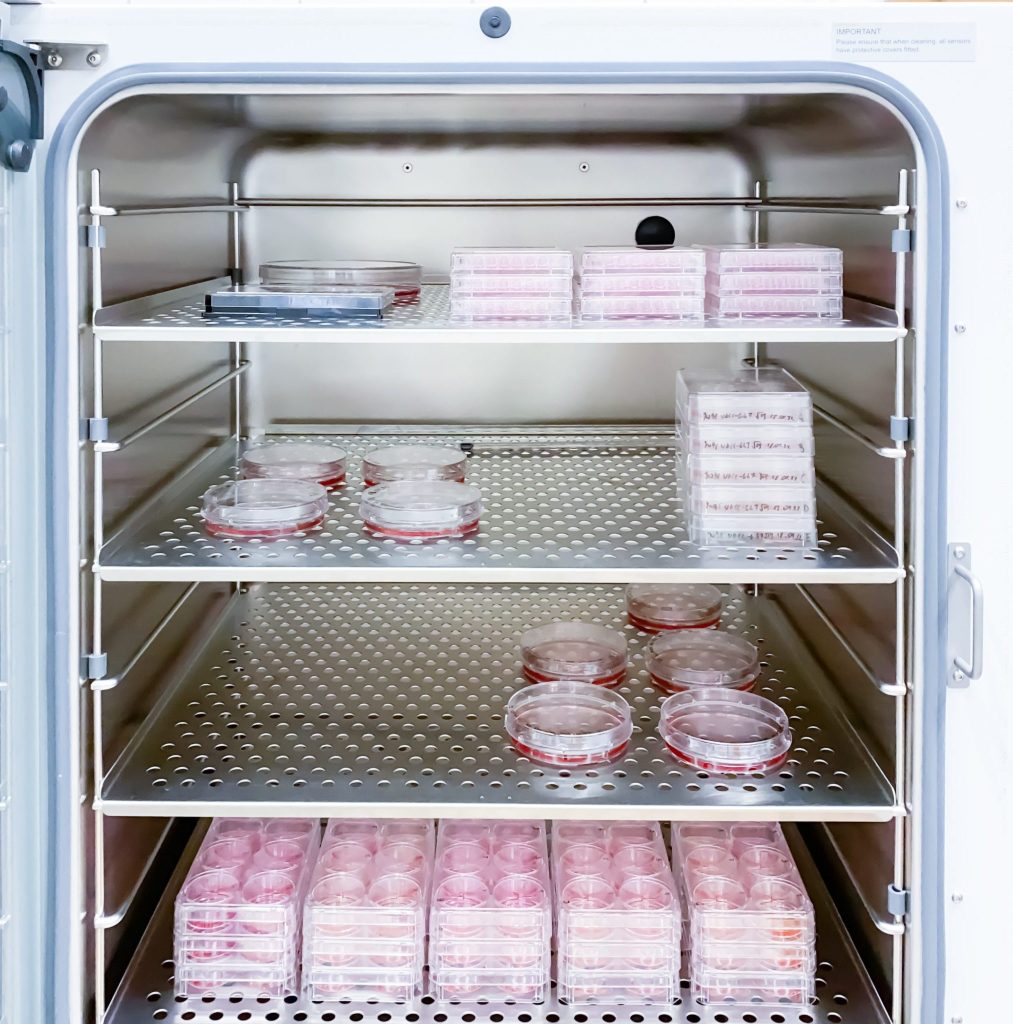
Your CO2 incubator display says everything is fine. Temperature steady. Humidity on target. CO2 holding at 5%. But that display only tells you what the incubator thinks is happening inside the chamber. The sensor responsible for those readings has been sitting in a hot, humid environment, quietly drifting off baseline. If it drifts, the machine doesn’t know. It just keeps adjusting to a flawed…
Read MoreAvoiding 7 Common Mistakes in Temperature and Humidity Mapping Projects

Temperature and humidity mapping is one of the most consequential studies your team will conduct. Yet even experienced teams routinely stumble on the same seven mistakes. From skipping a written test plan to treating mapping as a one-time exercise, any one of them can compromise your dataset and put your compliance program at risk. Mistake #1: Starting Without…
Read MoreThe Alarm Strategy That Protects Vaccines Without Overwhelming Your Team

The greatest threat to your vaccine inventory might actually be the alarms designed to protect it. When clinical teams are overwhelmed by frequent, non-critical alerts, “alarm fatigue” sets in, causing staff to tune out the very warnings meant to prevent a total loss. The stakes of missing a true temperature excursion are massive. Beyond the devastating human cost of…
Read MoreThe Temperature Mapping Duration Debate: How Long Is Long Enough?

For years, one of the most persistent gray areas in pharmaceutical validation was a simple question: How long does a temperature mapping study actually need to last? However, with USP <1079.4> now firmly in its enforcement phase, that ambiguity is gone. The industry now has strict, volume-based expectations for mapping duration and stress testing. This means facilities still relying on…
Read More4 Questions That Reveal Whether Your Vaccine Monitoring Is Audit Ready

Most pharmacy and healthcare clinic vaccine storage programs are doing the right things. The challenge is proving it as efficiently as possible. An inspector arriving at your facility checks both the temperature logs and the integrity of the entire cold chain audit trail producing them. World Health Organization Annex 9 and national regulatory frameworks across the Asia-Pacific…
Read MoreThe Cold Hard Fact: Seasonal Changes Require Seasonal Mapping

Facility managers often feel a sense of accomplishment after their initial mapping is complete. However, that data is only a snapshot. Environmental dynamics shift significantly during extreme cold events, so your summer data may no longer reflect your facility’s year-round thermal profile. Your HVAC system works differently when it’s cold outside than in the hotter months of the year. The colder air outside forces your system to pump heat, significantly…
Read MoreHow Unified GxP Monitoring Closes Data Integrity Gaps

Data availability and quality problems affect 80% of pharmaceutical organizations. These data integrity gaps create compliance vulnerabilities—especially during the fragile transitions between laboratory research, manufacturing, and distribution. To achieve true compliance, organizations must treat GxP not as separate regulations for Good Laboratory Practice (GLP), Good Manufacturing Practice (GMP), and Good Distribution Practice (GDP), but as a continuum. Recent…
Read MoreCreating a HACCP Food Safety Plan: What Your Organization Needs to Meet Food Safety Compliance Standards

Food safety is an underlying concern touching every corner of the food industry, from manufacturers and distributors to the consumers ultimately eating the food. Hazard Analysis and Critical Control Points (or HACCP) is an internationally-recognized method of identifying and managing the risks related to food safety, designed to keep the food in question safe from…
Read MoreHumidity Sensor Questions and Answers

Answers to Common Humidity Sensor Questions Designed for real-time humidity monitoring, humidity sensors deliver accurate data to ensure that your specific environment stays within the required humidity range. This is critical for industries such as hospitals, pharmaceuticals, food storage, and manufacturing, where humidity control is essential for meeting quality standards and protecting sensitive materials from…
Read More4 Overlooked Storage Areas that Need Ambient Monitoring
In any healthcare facility, the cold chain is under constant monitoring. Refrigerators and freezers are equipped with alarms and meticulous logs to protect sensitive vaccines and medications. But what about the vast majority of assets stored at room temperature? These areas are governed by strict standards for Controlled Room Temperature (CRT), typically defined as 20–25°C…
Read More